Wild Tokyo Reviews For Australia Players

A grounded look at how Wild Tokyo Casino works for Australian players in 2026 - from signup to cashouts and control tools.

Fortune Gems 2 Slot

Table of Contents

  • The Dog House Megaways Slot
  • Lucky Joker 10 Extra Gifts Slot
  • Sword of Ares Slot
  • Floating Dragon Hold & Spin Slot
  • Leprechaun Riches Slot
  • Fruit Cocktail Slot
  • The Dog House Megaways Slot
  • Sword of Ares Slot
  • Fruit Million Slot
  • The Dog House Megaways Slot
  • Big Fisherman Slot
  • Big Fisherman Slot
  • Seven Books Unlimited Slot
  • Wild Tokyo Casino Fortune Slot
  • Sword of Ares Slot
  • Floating Dragon Hold & Spin Slot
  • 9 Mad Hats Slot
  • Floating Dragon Hold & Spin Slot
  • Big Bass Splash Slot
Reviews 1

Quick Start Checks Before Your First Session

Open the lobby with one goal: see whether the basics are easy to find. Usually players rush into a game, then later realize they never looked at account limits, payment menus, or help options. Picture this - you have ten minutes before dinner, you log in, and you want clarity, not a scavenger hunt.

Start with the profile area and scan for three things: verification status, transaction history, and responsible play settings. If you can locate those fast, the platform will likely feel manageable when you are tired or distracted. If you cannot, slow down and map the menu once, because that single “tour” saves you from repeated friction later in 2026.

customer feedback 2

Wild Tokyo Casino Review: A Practical First Look

The fastest way to judge any online platform is to treat it like a storefront, not a mystery box. A lot of people decide in the first five minutes whether the layout makes sense, whether the rules feel readable, and whether the “back office” screens are coherent. Imagine you are on mobile data and the pages load, but you still need to find your balance history - that moment tells you more than a thousand marketing lines.

Wild Tokyo Casino is presented for adult players in Australia, with access and features depending on applicable local rules and personal eligibility. Keep your assumptions modest: do not rely on rumors about permissions or guarantees, and do not treat any banner as a promise. What matters is whether the workflow is consistent - sign up, fund, play, withdraw, and manage limits without surprises.

In 2026, the most useful mindset is “control first, entertainment second.” That means you look for settings that let you pause, cap spending, and cool off, before you chase any big moment. If the platform makes those tools easy to reach, that is a strong signal it is built for real users, not just impulse clicks.

Who This Platform Fits Best

Some players want speed: a clean lobby, quick filters, and simple payment screens. Others want structure: detailed history, support that answers in plain language, and settings that stop them when they are about to overdo it. Think of a typical night - you planned to play for twenty minutes, but a long loading loop or unclear buttons makes you stay longer just to “fix” things.

If you are the type who likes to keep records, you will care about how the platform shows past deposits, withdrawals, and session details. If you are more spontaneous, you still benefit from easy-to-find timeouts and reminders, because those are the guardrails that keep a casual session from turning into a messy one.

Where Expectations Usually Go Wrong

Most frustration comes from mismatched expectations, not from one broken feature. For example, a player deposits, wins something small, then tries to cash out immediately and discovers they should verify identity details first. Picture that moment - you are ready to leave, then you realize you have extra steps, and it feels like the platform “changed the rules,” even if it did not.

The fix is simple: treat verification and payment setup as part of onboarding, not as an emergency task. Do it once when you are calm, and your future sessions become lighter.

3 reviews

Account Setup And Verification Without Drama

Registration should feel like filling out a short form, not solving a puzzle. If the sign-up flow asks for basic details, confirm them carefully because later edits can trigger extra checks. Imagine you typed one digit wrong in your phone number, then spent your entire break trying to resend a code - that is a common way sessions start with stress.

After creating an account, focus on two practical habits: keep your device secure (so you do not lose access) and keep your identity information consistent (so you do not repeat steps). In 2026, many platforms lean on the same set of verification expectations, and the fastest path is accuracy, not speed.

Registration Flow On Desktop

Desktop sign-up is usually the easiest place to spot missing fields and typos. Picture a player who rushes on mobile, then later logs in on a laptop and realizes their address formatting is off - it is annoying, but avoidable.

Take one minute to confirm your email access and your password recovery options. It is boring, but it prevents the worst-case scenario: winning, then being locked out of your own account because you cannot complete a reset.

Identity Checks And Document Tips

Verification is less about “proving you are honest” and more about matching records cleanly. A typical situation: you upload a document photo in bad light, the corners are cut off, and you get asked again. That second request feels personal, but usually it is just an unreadable image.

Use steady lighting, show full edges, and avoid glare. If the platform requests proof of address or similar details, make sure the name format matches your profile. When something gets flagged, do not argue with the screen - update the mismatch, then contact support with a clear explanation.

Also, keep a simple folder on your device for the images you used, so you do not scramble next time. Most people waste time because they cannot find what they already uploaded.

Privacy And Device Hygiene

Account safety is not a “tech person” topic, it is a routine. Imagine you logged in once on a shared computer, then forgot to log out - that is how accounts get compromised without any hacking drama.

Use a private device when possible, update your browser, and avoid saving passwords on public machines. If the platform offers session controls, check whether you can sign out of other devices. The goal is confidence: you should know you can stop access quickly if something feels off.

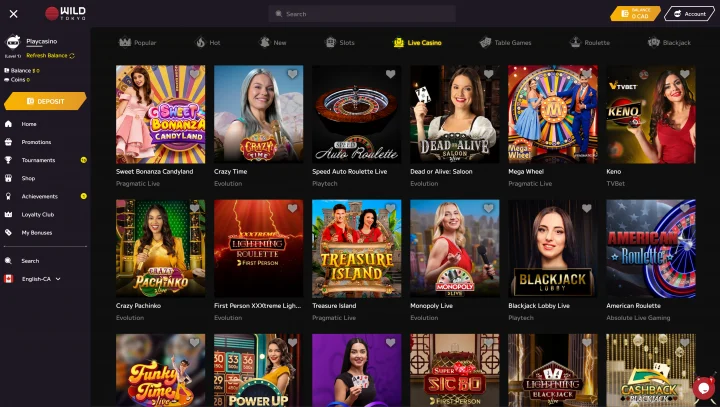
Games Lobby: Finding Slots, Tables, And Live Rooms

A good lobby works like a well-run supermarket: categories are clear, search is reliable, and filters do not hide what you need. Many players bounce between two moods - “I want something familiar” and “I want something new.” Picture this: you have a specific theme in mind, but the only way to find it is endless scrolling. That is where good filtering matters.

Start by using search and basic categories, then save a short list of favorites. When you return next time, you skip decision fatigue and go straight into a controlled session. If there are table games or live dealer rooms, treat them differently from slots - they often move faster, and your pacing needs to match.

Pay attention to how each game shows its information panel. Even without chasing numbers, you can usually see the rules, special features, and the kind of volatility you are dealing with. In 2026, that is the difference between “fun surprise” and “why did my balance disappear so fast?”

Another practical trick is to decide your stopping point before you open the first game. If you wait until you are already chasing, you will negotiate with yourself. Set a time window, pick two or three games max, and make it a loop: play, check balance, pause.

If you like experimenting, do it with structure. Try one new title at a low-stress stake, then switch back to something you understand. Players often make the mistake of sampling ten games quickly, losing track of what they played, and blaming the platform for their own chaos.

Finally, remember that the “best” lobby is the one that keeps you from over-clicking. Smooth navigation is not just comfort - it is a responsible play feature disguised as convenience.

Payments And Cashouts In Australia: What To Expect

Money flow is where calm players separate from impulsive ones. A common scene: you deposit smoothly, then later you want to withdraw and suddenly care about every detail you ignored earlier. If you are in Australia, it is smart to treat deposits and withdrawals as two different workflows, even when they sit in the same menu.

Before you fund your account, decide your session budget for the day, not just a “maybe” number. Put it in your head as a limit, not as a target. Then choose a method that fits your habit - fast deposits can be convenient, but convenience is a double-edged sword when you are tempted to reload.

When it is time to cash out, patience and accuracy win. Double-check your payout details and keep your verification status tidy. If something needs confirmation, handle it once, then move on, rather than resubmitting random screenshots in frustration.

What You Want To Do

What You Typically Need Ready

Common Friction Point

A Better Habit

Make a first deposit

Budget, chosen method, confirmed profile details

Adding funds “just to test” then overspending

Decide a hard cap before you open the cashier

Request a withdrawal

Verified identity, correct payout details

Typos in account details, repeated resubmits

Copy details carefully, keep a single clean request

Track a transaction

Access to history and notifications

Refreshing constantly and panicking

Check status on a schedule, not every minute

Handle a failed attempt

Clear reason and proof of correct details

Guessing the cause and changing everything

Contact support with one concise explanation

Deposits: Picking The Method That Matches Your Pace

Some people prefer one larger deposit and no reloads. Others do small top-ups and lose track. Imagine you are having a good run, then you reload twice “because it is working” - that is how budgets evaporate.

Choose one approach and stick to it. If you are prone to chasing, pick the method that makes you pause for a moment before adding more funds. Friction is not always bad - sometimes it is your best friend.

Withdrawals: Tracking Status And Avoiding Rework

A withdrawal request is not a race, it is a paperwork process. Picture a player who submits, cancels, submits again, then wonders why the status looks confusing. Repeated changes often create more checks.

Submit one clean request, keep your details consistent, and avoid changing your profile data mid-process unless support explicitly tells you to. If you need reassurance, write down your request time and check again later rather than spiraling.

Fees, Currency, And Small Print Habits

This is the part most players skip until it hurts. Imagine you are withdrawing a modest amount and later realize your method has conditions you did not notice - suddenly the platform feels “unfair,” even though the information was there.

Build a habit: read the cashier notes once, then treat them as rules of the road. If something is unclear, ask support before you move money, not after. It is slower in the moment, faster over the long run.


Wild Tokyo RTP And Return Displays In 2026

Return-to-player information is useful only if you read it like context, not like a promise. Many players see a number, assume it predicts their session, then get angry when variance hits. Picture the classic scenario: you win early, expect it to continue, then the next hour is flat and you feel “tricked.”

Treat return info as a lens: it helps you compare games and understand how outcomes can behave over time. In 2026, platforms often show game details in a panel or info button, and the real skill is learning where to find it quickly, then moving on without obsessing.

Also remember the human side: your decisions matter as much as the game details. If you raise stakes after a win, you can blow through a budget even in a “good” game. If you keep stakes steady, your session becomes predictable, which is the point.

Why Two Games Can Behave Differently

Two titles can feel completely different even if they look similar. A player might switch from a calmer game to a high-variance one and think the platform changed something. Imagine you do that late at night, tired, and suddenly every spin feels “worse” because your expectation was set by the previous game.

The fix is simple: when you try something new, start with a low-stress stake and give it a short, planned sample. If it does not fit your mood, switch back instead of trying to force it to “pay.”

Session Planning With Variance In Mind

Planning is not about killing fun, it is about choosing your kind of fun. Picture yourself with a twenty-minute window: do you want steady play, or do you want a quick high-variance shot? Both can be valid, but they require different budgets and different emotional readiness.

Pick one lane per session. Set a timer, set a spend cap, and decide in advance what counts as a stop signal (for example, a fixed loss limit or a fixed win limit). When your rule triggers, end the session and leave the result alone.

Support, Responsible Play Tools, And Self-Exclusion

Support is most valuable when you contact it before you are angry. Most players do the opposite: they wait until they are locked out, then write a frantic message. Imagine you are mid-withdrawal, something looks unclear, and you send five short messages in a row - that usually slows things down.

Responsible play tools are not there to “punish” you, they are there to keep entertainment from turning into regret. If you are playing in Australia, think of these controls as part of normal account setup, not as something you use only after a bad night.

In 2026, the strongest strategy is layered control: a spend limit, a time limit, and a cooling-off option you can trigger without negotiation. When those exist, you are less likely to chase, because the platform helps you keep your own boundary.

Contact Options And What To Prepare

When you contact support, clarity beats emotion. Picture the difference between “it does not work!!!” and “my withdrawal status changed after I updated my profile, can you confirm what step is pending?” The second one gets handled faster.

Before you write, collect the basics: what you were doing, what you expected, what you saw instead, and any relevant timestamps from your history screen. Keep it short, then wait for a reply rather than spamming updates.

Limits, Timeouts, And Cooling-Off Routines

Limits work only if you set them when you are calm. A familiar story: a player says “I will stop soon,” then never stops because the decision keeps moving. Imagine you had a built-in timeout that forces a break - suddenly you get a moment to breathe, drink water, and decide like an adult.

Use spending caps to protect your budget, and use timeouts to protect your attention. If you ever feel your play is no longer entertainment, self-exclusion is a responsible option, not a shameful one. The best time to set these tools is before you need them.

FAQ

Start by judging the workflow, not the hype: can you find limits, history, and help in under a minute, and does the lobby make it easy to stick to a small shortlist of games? Imagine a short evening session where you want zero friction - if you can sign in, choose a game, and leave cleanly without chasing menus, that is a good fit. If you keep getting pulled into extra clicks, it may not match how you like to play. Treat your first sessions as “testing sessions” with a strict budget so the decision stays practical.

Set a hard session budget and decide your stopping rule before you open the cashier. Many players deposit first and “figure it out later,” then feel pressured to keep playing because money is already there. A better routine is to check verification status, confirm your recovery options, and locate the responsible play settings first. If anything looks unclear, pause and contact support while you are calm, not after you are frustrated.

Withdrawals often trigger checks because the platform needs consistent account details and clean transaction history. Picture a player who changes profile information right after requesting a payout - that can create a mismatch that needs review. The practical move is to keep your details stable, complete verification early, and submit one clear request instead of multiple edits. If something is flagged, ask support what exact item is pending and respond once with the correct material.

Build friction into your routine on purpose: set a spend cap, set a timer, and decide your stop signal before you start. Imagine you win early - that is when most people raise stakes and give the win back. Keep stakes steady and take a short break after any emotional moment, good or bad, so you do not play to “prove” anything. If you feel your mood driving your clicks, that is your cue to trigger a timeout and step away.

Most games include an information panel that explains features, paylines, bonus mechanics, and other rules in plain text. A common scene is a player guessing how a feature works, then blaming the platform when the result differs from their guess. Slow down for thirty seconds, open the info panel, and read the parts that affect your decisions. That tiny pause pays for itself because you play with fewer surprises and less frustration.

Avoid shared devices for real-money play whenever possible, and never save passwords on a public machine. Imagine you log in once at a friend’s place, close the tab, and assume it is fine - that is how sessions stay open without you noticing. Use a private device, keep your browser updated, and sign out fully when you are done. If the platform shows active sessions, use it to end other logins so you stay in control.

Use them the moment play stops feeling like entertainment and starts feeling like a compulsion. Many people wait for a disaster, but the smarter moment is earlier - for example, when you notice you are reloading, playing longer than planned, or trying to win back losses. A cooling-off break can reset your head; self-exclusion can protect you for longer if you need it. Treat these tools as normal adult controls, not as a last-resort confession.